
Probate and Trust Administration in Orange County & LA County
Top Ranked Trust & Probate Lawyers in California
☰ Quick Facts About This Page
- Executors and trustees have legal duties
- Deadlines and notices must be handled
- Mistakes can create personal liability
- Accountings help prevent disputes
- Real estate issues slow many estates
- Creditor claims require careful review
- Missing assets can be traced
- Court petitions can clarify authority
- Beneficiary disagreements can escalate
- Court procedures may vary by county
Trust Administration After a Loved One's Passing
Probate and trust administration are the legal and financial steps required to manage and distribute a person’s assets after death. These responsibilities usually fall on an executor, an administrator, or a trustee, and many people step into these roles with little experience and a lot of pressure.
Even if a trust dispute doesn’t exist, administration can be time consuming and confusing, because California law requires specific notices, filings, valuations, and careful recordkeeping.
In Orange County and Los Angeles County, administration problems often start with delays, unclear communication, and unanswered questions about what assets exist and when distributions will occur. When that happens, concerns that began as routine can turn into formal objections, petitions, or contested hearings.
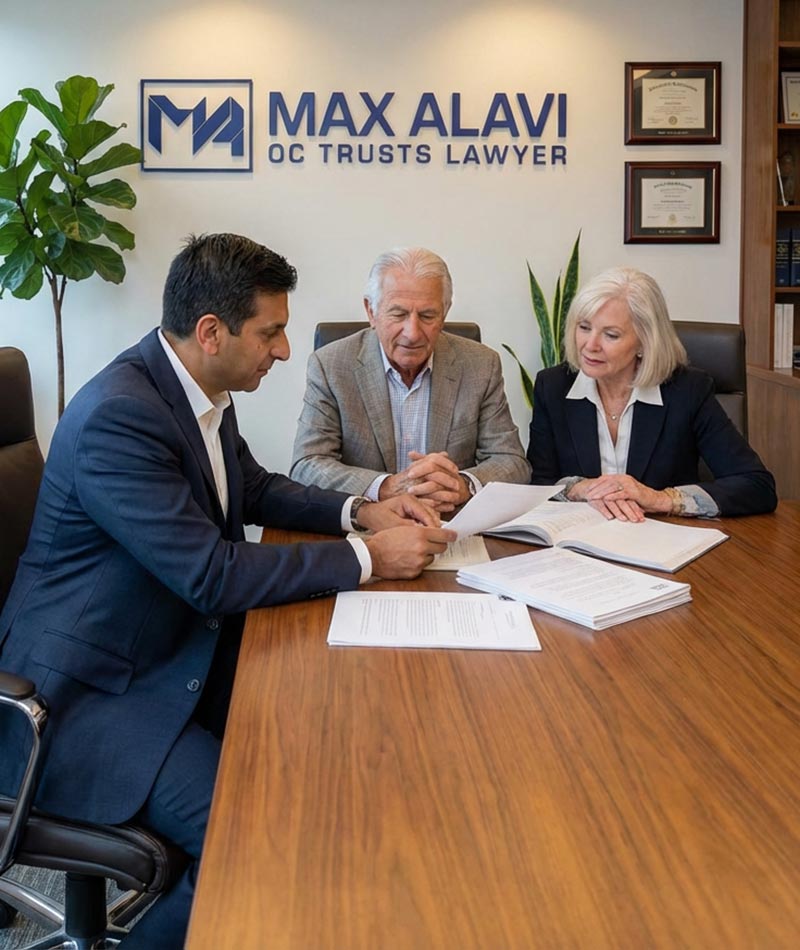
An experienced probate and trust administration attorney from Max Alavi, Attorney at Law, APC helps executors, trustees, and beneficiaries manage administration matters efficiently and in compliance with California law, including matters handled in Orange County and Los Angeles County probate courts.
Our Trust Litigation Case Process

1. Case Evaluation
We begin with a full review of the trust, will, financial records, and family history. Our legal team will identify your rights, deadlines, and the best legal path before anything is filed.

2. Court Filings
The case formally begins when a probate petition or trust lawsuit is filed in California probate court, often in Orange County Superior Court. This step sets the legal issues, brings all parties into the case.
3. Discovery and Settlement
Both sides exchange documents, take depositions, and file motions to address disputes. Many trust and probate cases resolve here through settlement discussions or court ordered mediation.

4. Trial and Resolution
If no agreement is reached, the case proceeds to trial before a probate judge. After a ruling, the court orders distributions, removals of fiduciaries, or financial recovery, and we handle enforcement or appeals if needed.
Begin Your Free Case Evaluation Now
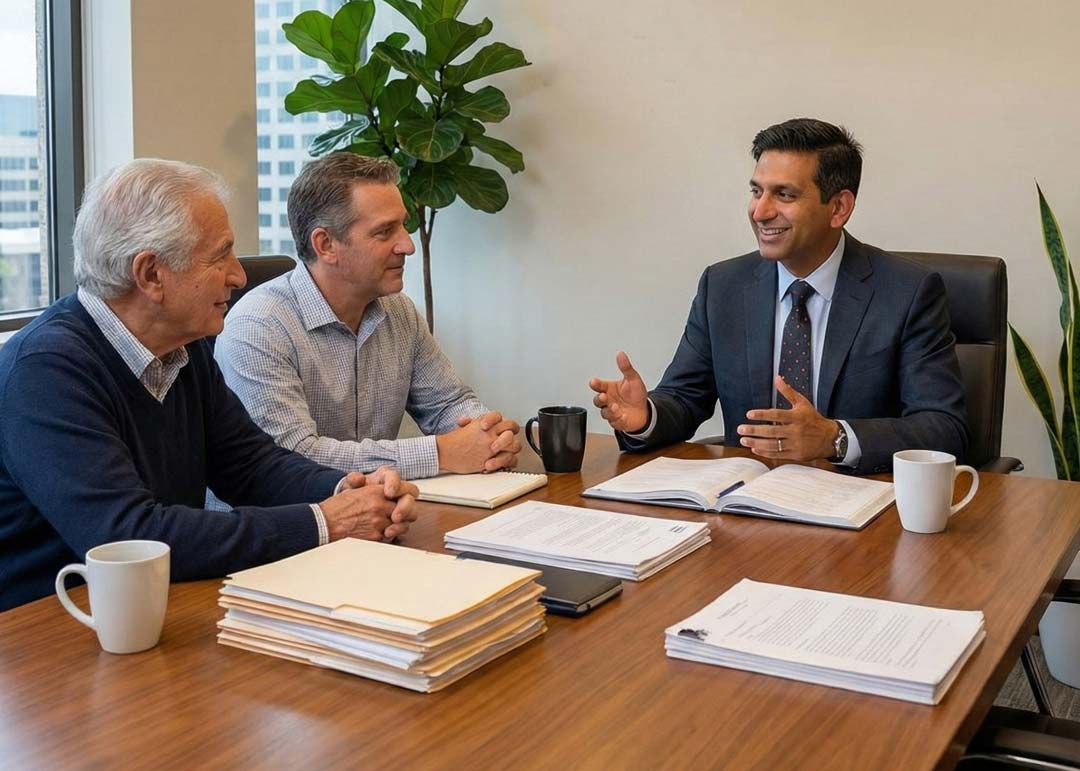
Call to schedule a free and confidential consultation with a trust litigation lawyer.
Probate and Trust Administration Services We Handle
Probate and trust administration matters can involve both routine and contested issues. Our law firm and legal staff regularly assists with:
- Guiding executors and trustees through fiduciary duties
- Preparing, reviewing, and defending accountings
- Resolving beneficiary disputes over timing and fairness
- Court petitions and required filings
- Asset distribution and estate closing steps
- Administration involving complex assets and business interests
- Real estate sales, occupancy disputes, and buyouts
- Missing assets, questionable transfers, and title problems
- Creditor claim issues and debt payment disputes
California laws enforce strict responsibility on the person administering an estate. Probate Code section 9600 describes that a personal representative can be held liable when a breach of duty causes loss or damage. In practice, this is why careful compliance, good records, and clear decision making matter from the start.
Trust administration has its own rules. Trustees have a duty to administer the trust according to its terms, Probate Code section 16000, and they also have duties related to keeping beneficiaries informed and providing accountings in many situations, including the rules found in Probate Code sections 16060 and 16062. When these duties are handled correctly, trust disputes may rarely happen.
Top FAQs About Trust Administration
When should an executor or trustee speak with an attorney?
If you are not sure what steps come next, if beneficiaries are demanding action, or if you received objections or threats of a petition, getting advice early often prevents expensive mistakes.
Can an executor or trustee be personally liable?
Yes. Fiduciaries can face personal exposure when a breach of duty causes loss. Probate Code section 9600 is one of the statutes that highlights the risk when the personal representative does not comply with fiduciary obligations.
Do trustees have to provide information and accountings?
Often, yes. Trustees generally have duties to administer the trust properly and keep beneficiaries reasonably informed, including duties addressed in Probate Code sections 16000 and 16060, and accounting rules found in Probate Code section 16062 in many situations.
Why is administration taking so long?
Common reasons include real estate sales, tax issues, creditor claims, unclear title, and missing records. Sometimes delay is legitimate, but sometimes it is caused by poor organization or avoidance, which can be addressed through court orders.
What if I think assets are missing?
Missing assets often involve bank accounts, real estate title issues, or transfers made near the end of life. A focused records review and, when needed, a probate petition can help confirm ownership and pursue recovery.
Do these matters always turn into litigation?
No. Many cases stay routine when the fiduciary communicates well and keeps clean records. When disputes do occur, they often resolve after proper disclosures, accountings, and mediation clarify the facts.
What Trust Administration Should Look Like When Done Correctly
Many common mistakes in trust administration can be prevented. The process goes much smoother when the trustee treats the job like an organized, step by step project. To avoid family disputes and legal trouble, a trustee should focus on gathering important financial documents right away and confirming exactly what the trust requires them to do. It is also critical to create a clear schedule for paying debts and distributing assets, while communicating with the beneficiaries on a regular basis.
Below are the core administration steps we prioritize for clients in Orange County and Los Angeles County.
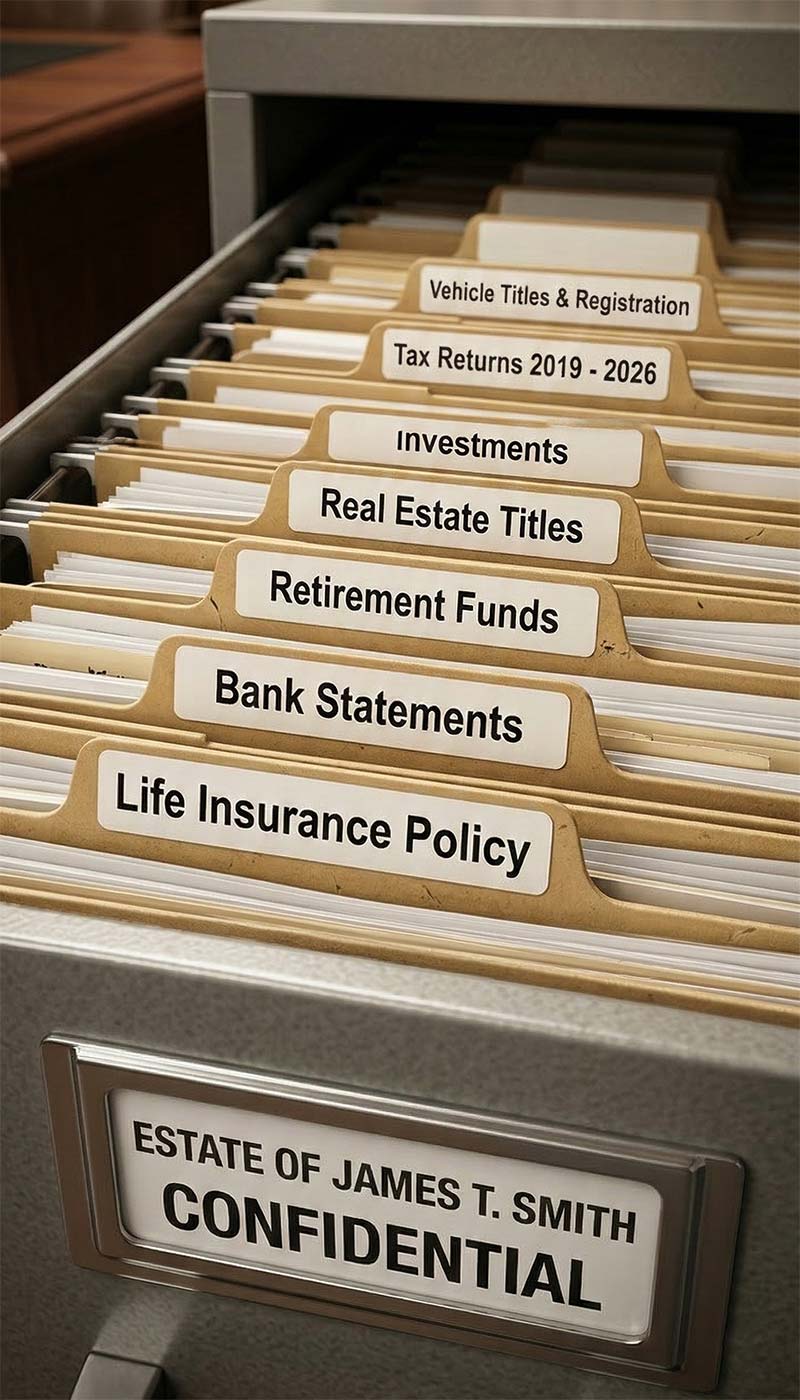
- Identify the controlling documents, will, trust, amendments, deeds, account statements
- Confirm what assets exist, and how they are titled
- Provide required notices and keep a detailed paper trail
- Value assets properly, especially real estate and business interests
- Track every transaction, reimbursement, and payment
- Address creditor claims and taxes with a plan
- Document decisions that beneficiaries are likely to question
- Prepare for the closing steps, final accounting, final distribution, receipts
When disagreements develop, it is commonly started because beneficiaries are surprised by delays or they do not agree what is happening with a trust. Clear reporting and timely accountings often reduce mistakes and protect the fiduciary.
For Beneficiaries: Protecting Your Inheritance
As a beneficiary, you have the right to know what is happening with your inheritance. If a trustee or executor is ignoring your calls, hiding financial documents, or making suspicious transfers, you must take action.
We help beneficiaries file petitions to demand formal accountings, suspend reckless fiduciaries, and force the timely distribution of estate assets before they are drained by a bad actor.
For Trustees: Defending Your Administration
Serving as a trustee or executor exposes you to significant personal financial liability. Upset family members may accuse you of mismanagement simply because the legal process takes time.
We protect fiduciaries by preparing bulletproof accountings, defending against meritless beneficiary claims, and securing court approval for major decisions like real estate sales or complex tax payments.
Trust Administration Issues and Solutions
Trust administration does not always end up in a court matter, but probate court still plays a major role when problems occur. The court can issue orders that force action, correct mistakes, and protect assets when a fiduciary is not handling the job properly.
Common Issues in Administration |
Possible Remedies in Probate Court |
| Long delays without explanation, estate or trust stalls, beneficiaries receive minimal updates | Court deadlines, status hearings, orders requiring progress and reporting |
| No accounting or unclear accounting, missing entries, vague categories, unexplained reimbursements | Order compelling accounting, objections process, transaction review |
| Real estate conflicts, occupancy fights, sale disputes, buyout disagreements | Sale order, buyout structure, accounting for rent credits and expenses |
| Missing or wrongly titled assets, accounts not disclosed, property held in another name, transfers questioned | Petitions to confirm ownership, recovery orders, corrective instructions |
| Beneficiary disputes over fairness, unequal distributions, discretionary decisions questioned | Court instructions, approval of actions, structured settlement terms |
| Fiduciary misconduct allegations, mismanagement, conflicts of interest, improper spending | Court supervision, restrictions, removal requests, surcharge related remedies |
| Creditor claim pressure, disputed debts, threats to drain estate value | Claim objections, court rulings on validity, structured payment orders |
Get Immediate Help With Trust Administration
Probate and trust administration requires an attorney who understands the strict timelines and heavily enforced liabilities of California law. These issues often demand organization, strategic judgment, and a clear understanding of how California probate judges evaluate fiduciary conduct, accounting records, and decision making. Max Alavi, Attorney at Law, APC has decades of experience handling complex trust and probate matters throughout California. The firm assists executors, trustees, and beneficiaries in administrations involving significant assets, business interests, and high conflict family dynamics.
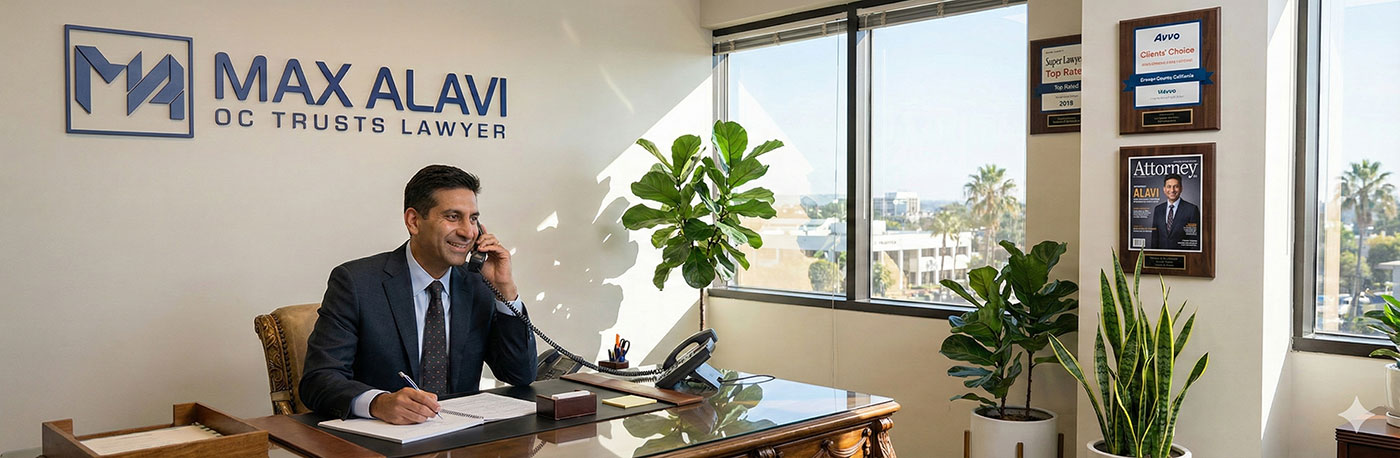
Recognized as a Super Lawyer and honored with the AVVO Client’s Choice Award, Max Alavi provides highly structured guidance for fiduciaries and beneficiaries alike. Our firm knows how to resolve high conflict administration matters efficiently. In a recent notable case, we represented a trustee and achieved a highly favorable settlement in a contested estate administration valued at 2 million dollars, protecting our client from aggressive litigation.
Whether the goal is completing a clean administration, responding to beneficiary concerns, preparing a defensible accounting, or handling a dispute through court petitions, the firm approaches each matter with a focus on protecting client rights and achieving practical results.
Probate & Trust Administration
Areas We Serve
At Max Alavi, Attorney at Law, we have decades of experience in dealing with complex trust litigation matters throughout California. When you hire our legal team, you are bringing on the best and toughest litigators around to aggresively fight on your behalf.
Probate & Trust Administration
Areas We Serve
At Max Alavi, Attorney at Law, we have decades of experience in dealing with complex trust litigation matters throughout California. When you hire our legal team, you are bringing on the best and toughest litigators around to aggresively fight on your behalf.
What Our Amazing Clients Have To Say


Why Clients Choose Max Alavi, APC
- Super Lawyers recognition based on peer review
- Extensive experience in California probate law
- Millions recovered in trust and probate litigation
- Strategic handling of trust and estate disputes
- Proven advocacy for surviving spouses and heirs
- Clear guidance through complex probate matters
- Outstanding dedication to every one of our clients


Let's Work Together - Tell Us Your Needs
At Max Alavi, Attorney at Law, APC, we understand the complexities of California probate law and are committed to providing solutions for trust and estate disputes. Contact us today to speak with one of our legal staff.